
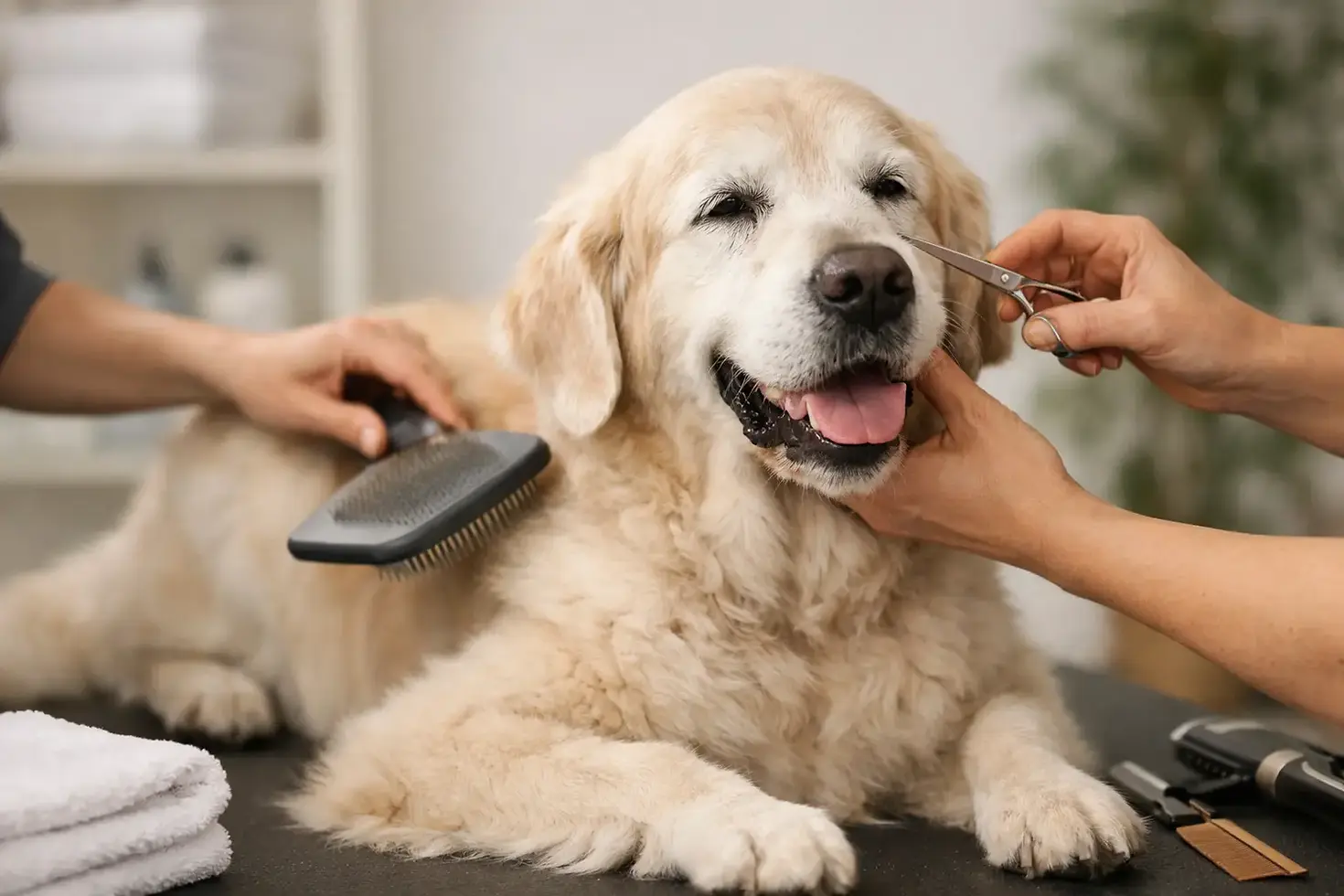
Gentle Dog Grooming for Senior Dogs at Every Age

The little changes often show up first at grooming time: a dog who once hopped into the car now needs a lift, a coat that mats faster, or a familiar brush that suddenly feels uncomfortable. Dog grooming for senior dogs is not about making an older pup look younger. It is about helping your sweet furry family member stay clean, comfortable, and confident while respecting what their body needs now.
For many aging dogs, regular professional grooming can support skin health, mobility, and day-to-day comfort. The best appointment is never rushed or one-size-fits-all. It is shaped around your dog’s coat, temperament, health needs, and tolerance for standing, brushing, bathing, and drying.
Why senior dogs need a gentler grooming routine
As dogs age, their skin can become thinner and drier, while lumps, skin tags, arthritis, hearing loss, and vision changes may make normal grooming sensations feel unfamiliar. A senior dog may be less steady on their feet or more sensitive around their hips, knees, paws, ears, and mouth. Even a friendly dog can become anxious when they cannot see clearly or when a tender area is touched unexpectedly.
Coat care may become more demanding, too. Dogs who move less may not distribute their natural skin oils as evenly, and pets that have trouble twisting or bending may not be able to self-groom comfortably. Long-coated dogs can develop tangles in friction spots such as under the collar, behind the ears, under the legs, and around the tail. A clean, manageable coat is more than a polished look. It can help prevent painful pulling and make it easier for pet parents to notice skin changes.
That does not mean every older dog needs a very short haircut. Some do best with a tidy, low-maintenance trim; others have coats that remain healthy with careful brushing and a bath. The right choice depends on the dog in front of us, not their age alone.
Dog grooming for senior dogs starts before the bath
A comfortable salon visit begins with clear communication. When booking, let the groomer know your dog’s age, any diagnosed conditions, medications that may affect energy or balance, sensitive areas, and changes you have noticed at home. Mention if your dog dislikes the dryer, has slipped on smooth floors, startles when approached from behind, or needs extra time to get settled.
It also helps to share your dog’s usual routine. Some pets feel safest with a favorite phrase, a slow introduction, or a quiet arrival time. If your dog is deaf or has limited vision, a calm approach and gentle touch before handling can prevent surprises. Small details allow the grooming team to meet your pup with kindness rather than assumptions.
Before the appointment, take your dog for a relaxed potty break and avoid a strenuous outing that could leave them sore or overtired. Bring them in on a secure leash, and give yourself a few extra minutes for a calm handoff. Your dog will take cues from you, so a warm, matter-of-fact goodbye can be more reassuring than a long, worried departure.
Comfort matters more than a perfect finish
Senior grooming should prioritize safety and comfort over a highly styled result. An older dog with arthritis may need frequent breaks instead of standing through an extended session. A dog with a thick, matted coat may be more comfortable with a shorter clip than with prolonged brushing that pulls at the skin. These choices can be emotional for pet parents, especially when a familiar fluffy look needs to change, but relief should come first.
A thoughtful groomer will adjust handling throughout the service. That may mean supporting a dog during a bath, using nonslip surfaces, keeping water temperature comfortable, lowering drying intensity, or working in shorter stages. Some dogs benefit from a quieter appointment when the salon is less busy. Others simply need patient reassurance and a little more time.
If a dog is becoming distressed, overly tired, or painful, stopping or simplifying the service can be the kindest decision. Grooming is a form of care, not a test of endurance.
What a senior-friendly grooming appointment may include
The exact service will vary, but many senior dogs benefit from a dependable schedule of bathing, brushing, nail care, ear cleaning, sanitary trimming, and coat maintenance. Keeping up with these basics can prevent small issues from becoming uncomfortable ones between appointments.
Nail trims deserve special attention. Long nails can affect traction and alter how a dog stands or walks, which is especially difficult for pets already managing stiff joints. Regular, gentle nail care helps your pup move more securely around the house and on neighborhood walks.
Paw care matters for the same reason. Hair between the paw pads can hold moisture and reduce grip on slick floors, while overgrown nails may make it harder to place the foot naturally. A tidy paw trim can be a practical comfort service, not just a cosmetic detail.
Ear and eye-area cleaning also need a light touch. Older dogs may have more discharge around the eyes, and floppy-eared breeds can be prone to trapped moisture. A groomer can carefully clean the outer areas and let you know when something looks unusual. Groomers do not diagnose medical concerns, but an attentive set of eyes can help pet parents spot changes sooner.
When matting needs a compassionate plan
Mats can form quickly on senior dogs, especially when mobility, skin oils, weather, or a softer aging coat changes the texture of the fur. They can tighten close to the skin, tug with every movement, and hide redness or irritation underneath. Trying to comb out severe matting at home can be painful and may accidentally injure fragile skin.
A close clip is sometimes the most humane option, even if it is not the style you hoped for. Your groomer should explain what is possible, what may need to be removed, and how the coat can be maintained afterward. Once the coat is fresh and comfortable again, a shorter regular grooming schedule can make future appointments easier on your dog.
At home, use brief, gentle brushing sessions rather than one long session. Stop if your dog pulls away, flinches, pants heavily, or seems uncomfortable. Focus on easy, positive handling and ask your groomer which brush and technique suit your dog’s coat. Consistency is kinder than waiting until tangles become a larger problem.
Watch for changes that call for a veterinarian
Grooming can reveal changes that deserve medical attention. Contact your veterinarian if you notice new lumps, wounds, strong odor, sudden hair loss, persistent scratching, bleeding, marked pain, changes in gait, or a major change in behavior during handling. A groomer may point out something they see, but veterinary guidance is the right next step when your dog may be unwell.
It is also wise to ask your veterinarian about grooming if your dog has advanced heart, respiratory, neurological, or orthopedic concerns. They can help you decide whether shorter appointments, specific handling precautions, or a modified routine would be safest. The goal is to build a care team around your pet, with everyone working toward the same thing: more comfortable days.
A calm local salon experience for your older pup
At Star Struck Grooming Salon in Corona, every pet deserves to be pampered like the star they are, including the gray-muzzled dogs who need a little more patience along the way. Sharing your senior dog’s needs when you schedule gives the grooming team the best opportunity to plan a caring, comfortable visit.
Your dog may not care about a trendy haircut, but they will feel the difference when their nails are tidy, their coat is free of painful tangles, and their appointment is handled with care and excellence. Keep grooming gentle, keep communication open, and give your loyal companion the comfort of feeling like themselves.


Comments